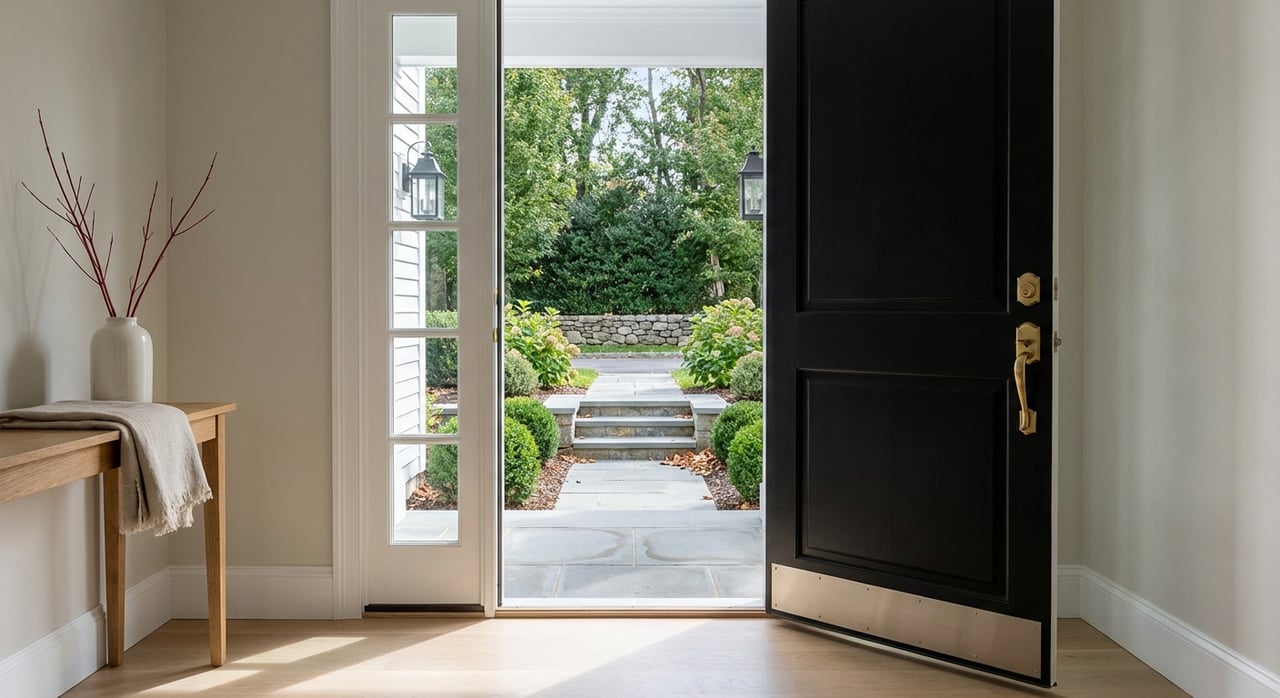
Preparing Your Luxury Home For Sale In Greenwich
February 19, 2026
February 19, 2026
Selling a luxury home in Greenwich is both an art and a process. You want a strong price, a smooth timeline, and the right buyer who appreciates every detail. This guide gives you a clear plan to prepare, present, and launch your property with confidence, tailored to what works in today’s Greenwich market. Let’s dive in.
Greenwich is a primarily luxury market with steady demand and limited inventory. Recent reporting shows a year-end median sale price in the low to mid $3 million range and an average of about 70 days on market. You can review the latest figures in the Greenwich Association of REALTORS fourth-quarter market update. At the top end, the ultra-luxury tier has been especially active, with tight supply and focused buyer interest. Coverage notes that presentation and confident pricing matter more than ever for estates, as seen in ultra-luxury home sales set to break records in Greenwich.
Your buyer pool often includes Manhattan and Westchester commuters, regional high-net-worth families, and international buyers who discover Greenwich through global networks. Commute access is a consistent selling point, with express Metro-North trains to Grand Central typically around 50 to 70 minutes depending on service. Check the MTA station page for Greenwich when planning your listing materials.
Connecticut requires sellers to deliver a written Residential Property Condition Report to prospective buyers before they sign a contract. The statute outlines content and buyer protections, and failure to provide it can trigger a remedy for the buyer. Work with your attorney and agent to complete the form accurately. Review the Connecticut Residential Property Condition Report statute.
If your home was built before 1978, federal law requires disclosure of known lead-based paint and offers buyers a 10-day inspection period unless waived. See the federal lead-based paint disclosure rule. Connecticut also encourages radon awareness and requires disclosure of known test results or mitigation systems, which are common in local transactions. Review the Connecticut DPH radon in homes guidance.
For properties with underground heating-oil tanks or complex fuel systems, document location, age, service history, and any remediation. The state treats contamination as an environmental matter with potentially significant obligations. Start with the CT DEEP guidance on underground storage tanks.
For luxury sellers, targeted pre-listing inspections reduce friction and late surprises. Prioritize major systems that often drive negotiations: roof, HVAC or boiler, pool equipment, septic and well if applicable, and whole-home generators. You can repair, replace, or disclose and price accordingly. A little predictability here can save you weeks later.
Connecticut applies a state conveyance tax with a tiered schedule for residential dwellings, plus a municipal conveyance tax. The seller customarily pays these at recording, though contracts can vary. Use the Connecticut conveyance tax overview to understand the structure, then confirm Greenwich’s current municipal rate with the Town Clerk or your closing attorney before you finalize your net sheet.
Start with safety, code, and mechanicals. Fix electrical hazards, fuel lines, chimney issues, or aging boilers first. Buyers at this level expect clean reports and current service records.
Create a complete documentation file. Gather invoices and maintenance logs for HVAC, roof, pool, generator, septic or well certifications, and any shoreline or dock permits. Organized records build confidence and protect your price.
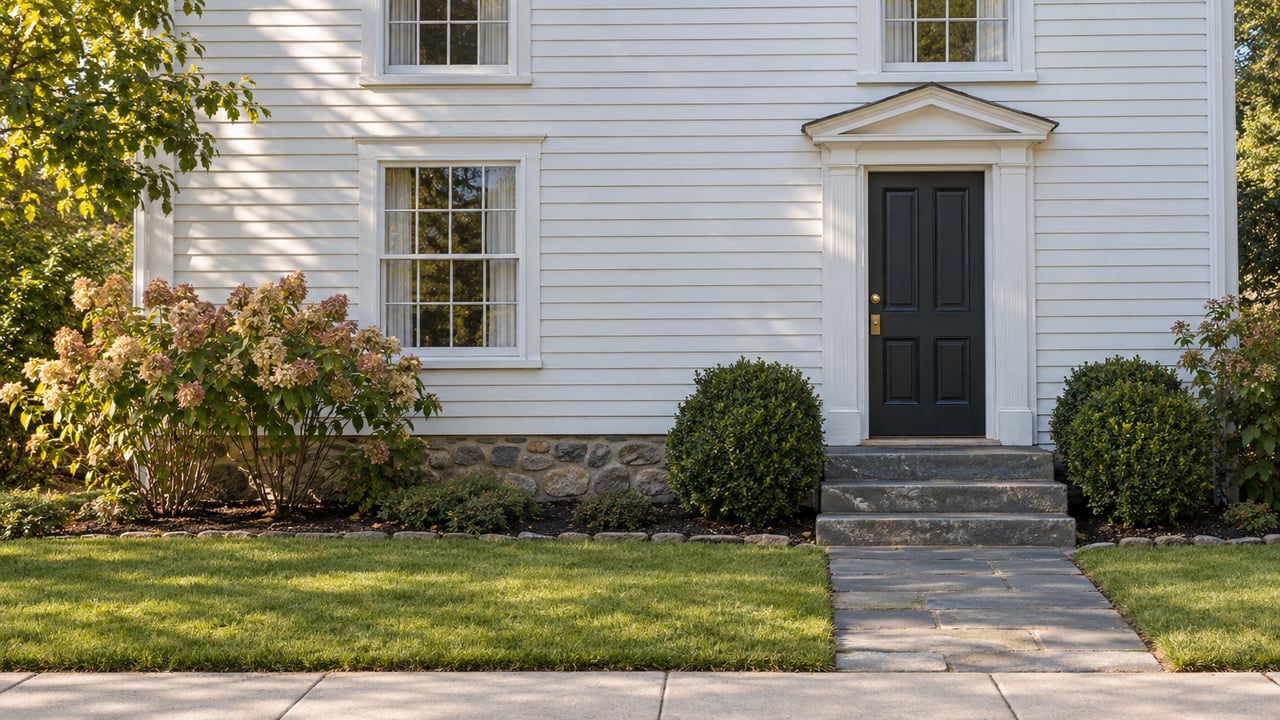
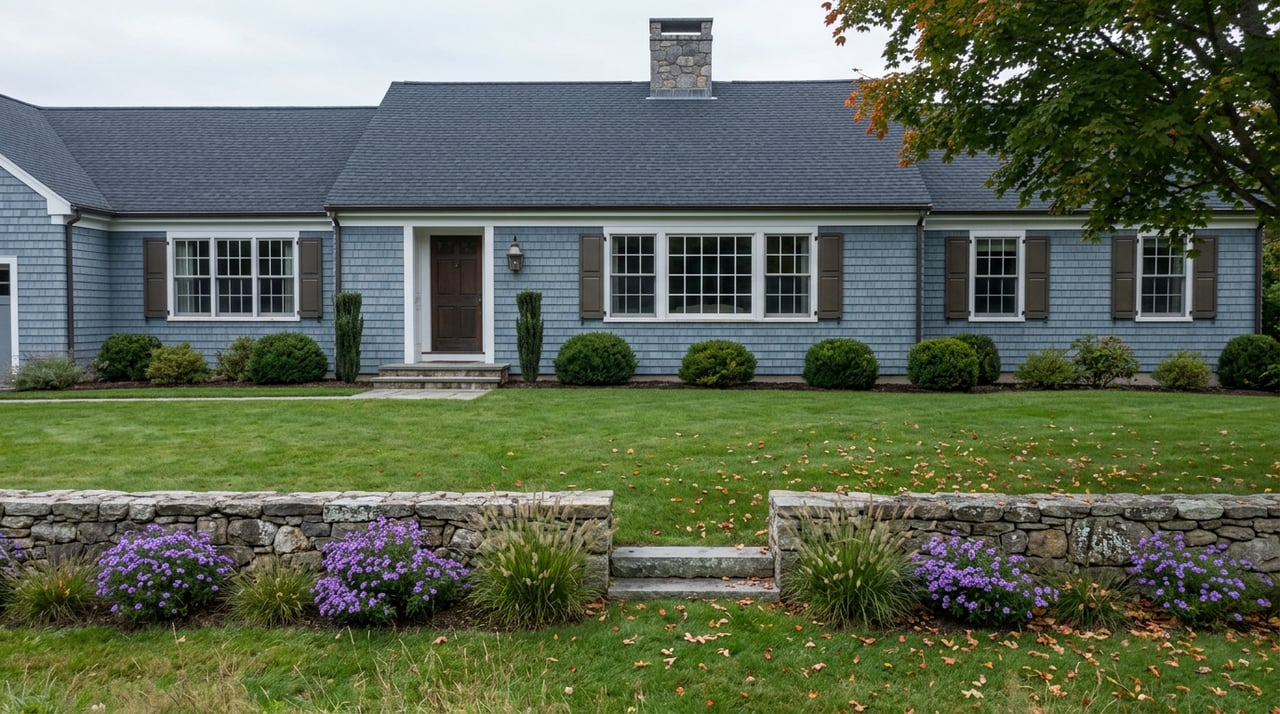
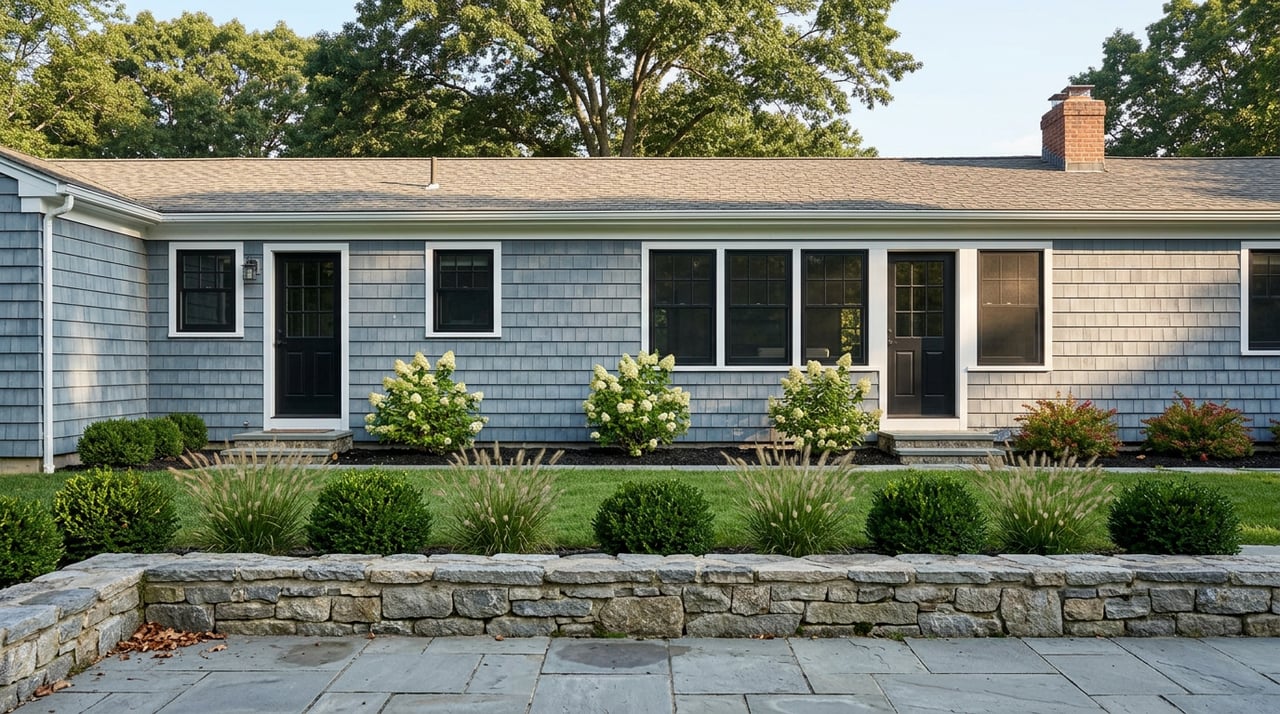
Elevate curb appeal and grounds. Manicured landscaping, clean entry courts and drives, sharp exterior lighting, and tuned-up hardscape make a strong first impression in photos and in person.
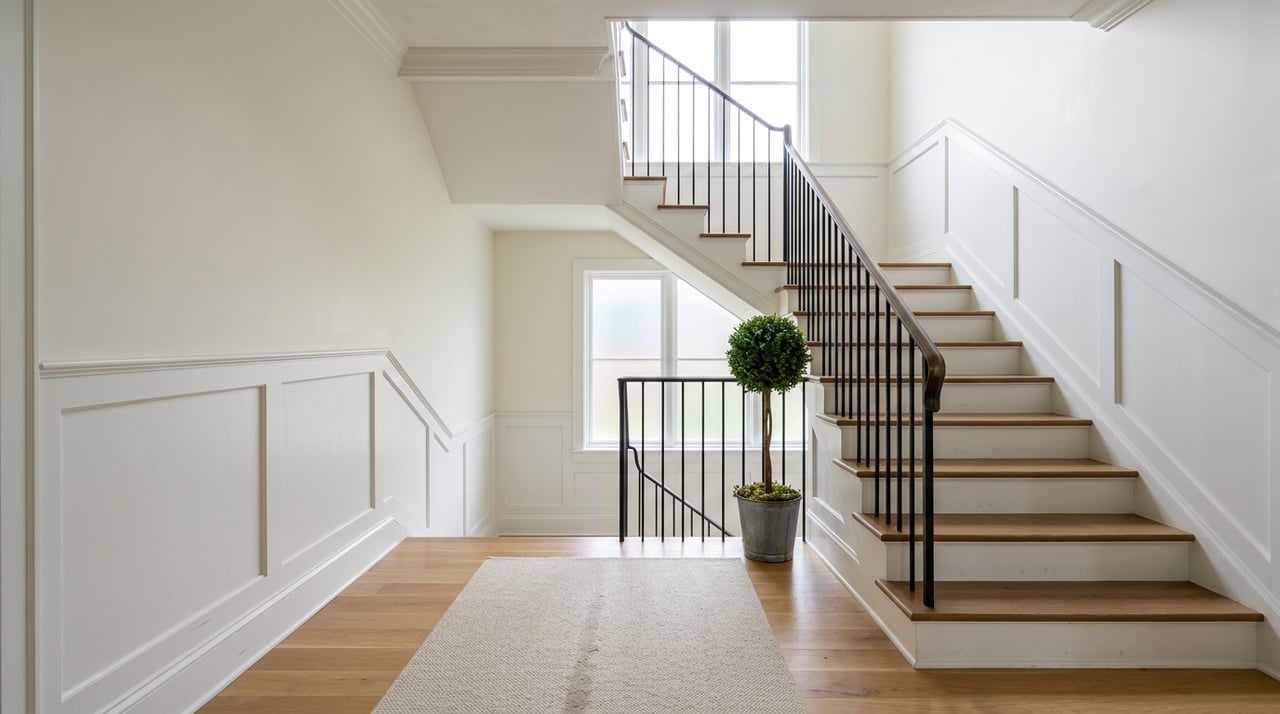
Modernize where it counts. Neutral repainting, refinished floors, updated lighting, fresh hardware, and targeted kitchen or bath refreshes often deliver stronger resale ROI than major bespoke remodels. Industry reporting supports the value of thoughtful, lower-scope updates, as outlined in this national cost vs value guide.
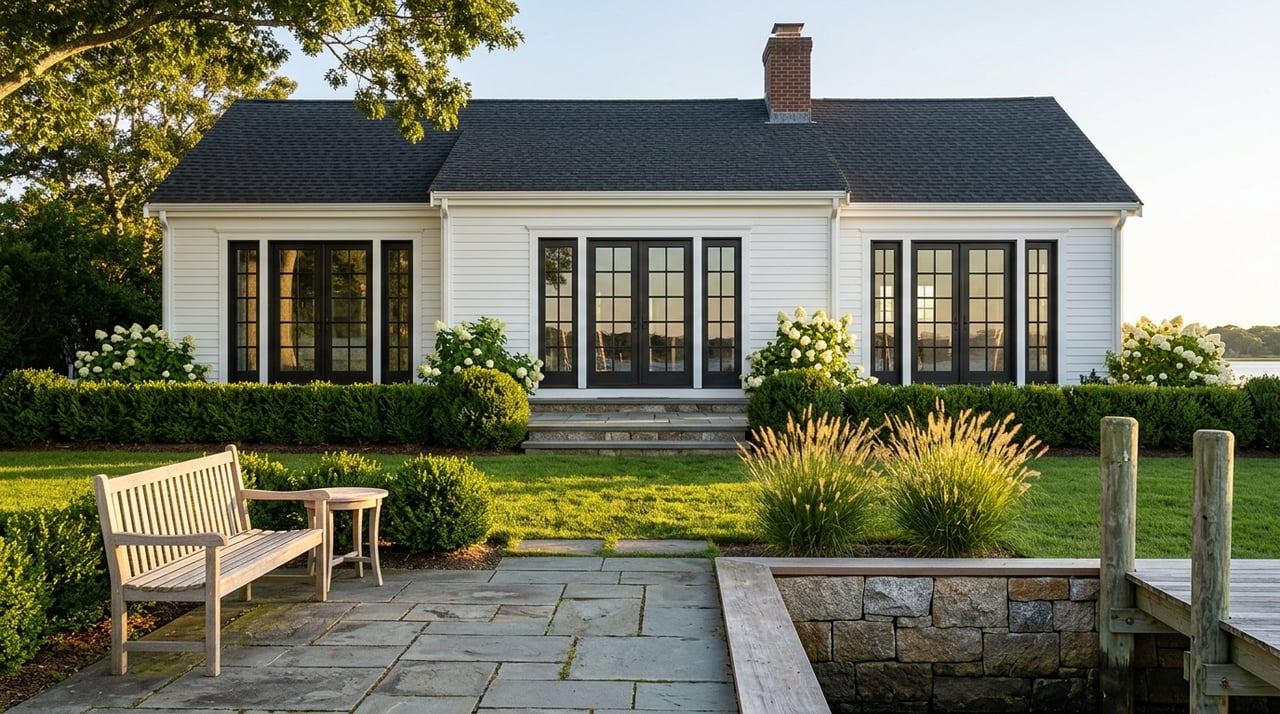
Address specialized estate areas. Service pools and equipment, verify guest houses are show-ready, and confirm septic and well performance if present. For waterfront homes, handle any coastal or shoreline maintenance before you list.
Staging at estate scale is about proportion, flow, and feel. Use furnishings that fit tall or oversized rooms, define clear paths and room functions, and highlight unique finishes, fireplaces, and view corridors. Stage outdoor rooms for entertaining so buyers can imagine real use.
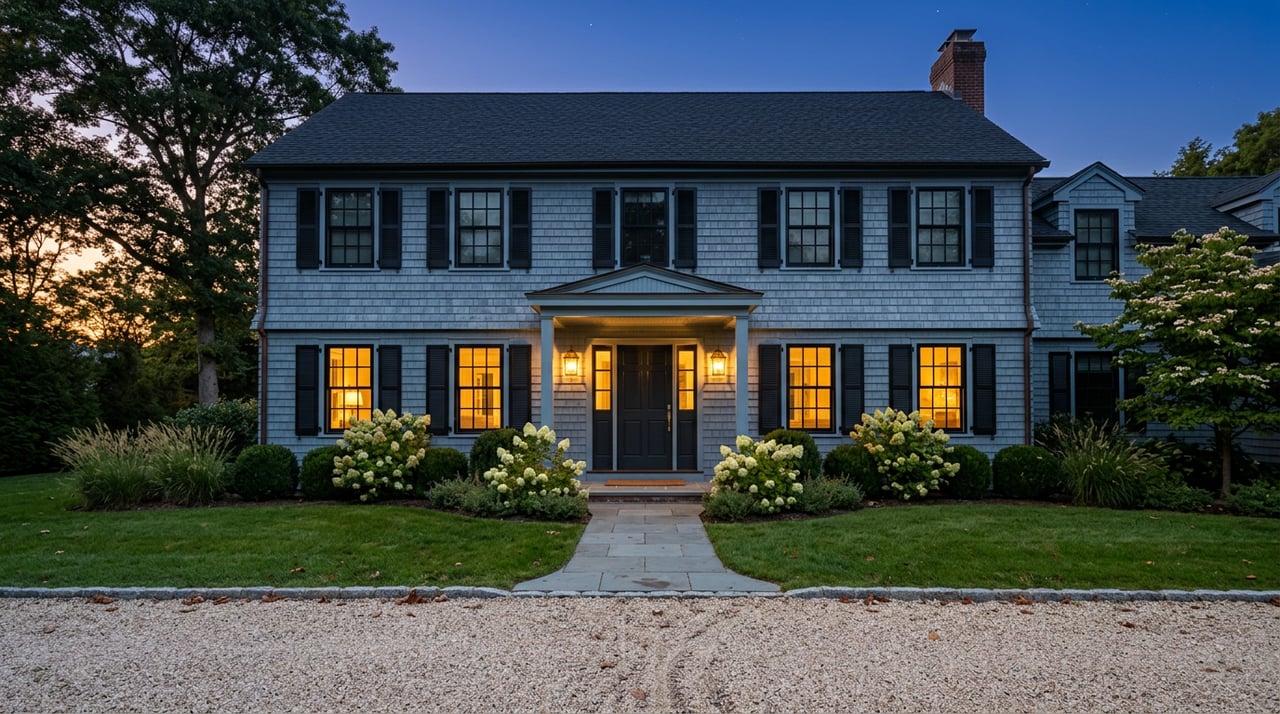
Photography and digital presentation matter. Professional HDR images, drone aerials to show approach and setting, twilight exteriors, and a high-quality 3D tour help qualify remote and international buyers before private showings. Industry surveys indicate staging often shortens time on market and can influence offers. Explore the NAR 2025 home staging snapshot.
Plan the logistics. Reserve movers and storage for owner items, coordinate insurance and careful handling of valuables, and schedule photos immediately after staging for peak presentation.
A concierge listing approach means coordinated prep, vendor management, staging oversight, and professional media under one plan. Some programs can also arrange or front certain prep services, with reimbursement at closing subject to terms. Review scope, pricing, and repayment terms with your agent before you commit, and select vendors with estate experience.
Greenwich sellers often start with invitation-only broker previews, including targeted outreach to New York brokers, to build interest with qualified buyers. Private phases can help you test pricing without adding public days on market. A full public launch broadens exposure and is often the best path to peak pricing when inventory is tight. Your strategy should reflect your goals, timing, and the level of discretion you prefer.
Expect 2 to 8 weeks for planning and vendor work depending on scope. Staging and photography usually take 1 to 2 weeks. Many sellers schedule a short pre-MLS broker preview, then launch publicly in a strong seasonal window. Your agent will recommend the best week for your property based on market activity and readiness.
If you want a high-trust, low-stress sale, preparation is your advantage. With a clear plan, disciplined presentation, and targeted launch, you can attract the right buyers and protect your price. For a tailored roadmap and valuation, connect with Erin Melson.
Stay up to date on the latest real estate trends.

Etiam non quam lacus suspendisse faucibus interdum. Orci ac auctor augue mauris augue neque. Bibendum at varius vel pharetra. Viverra orci sagittis eu volutpat.