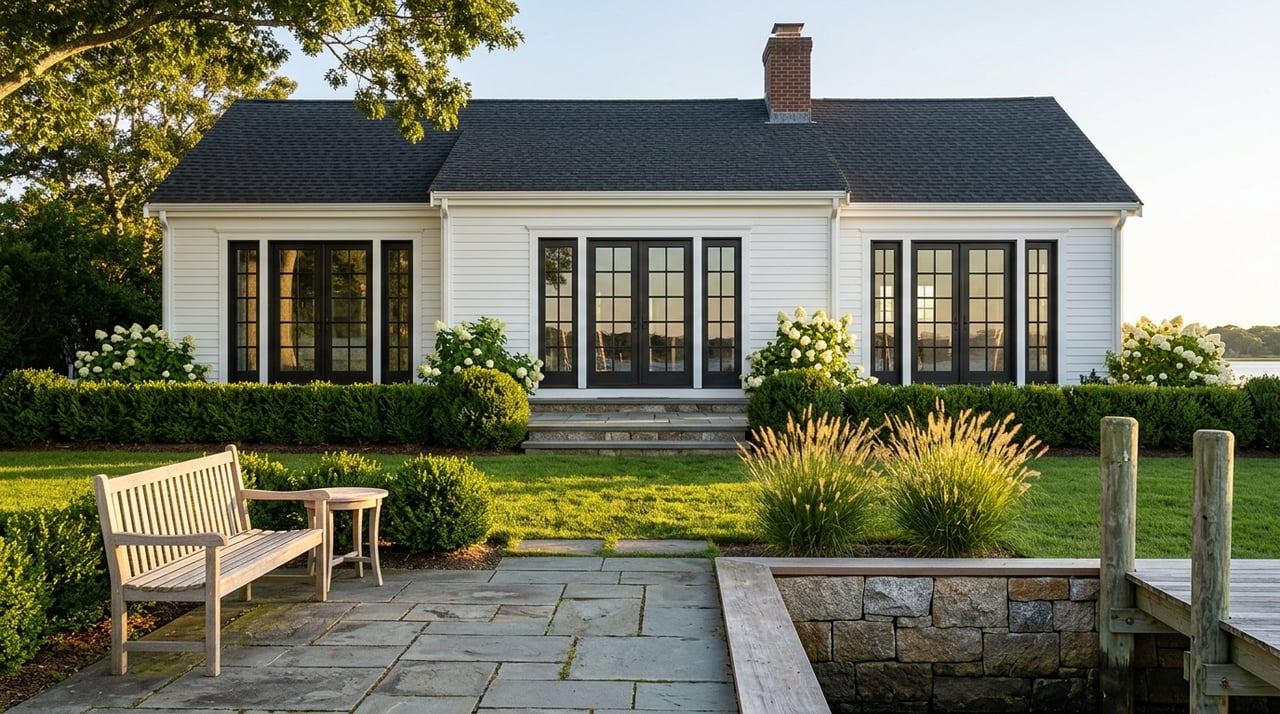
Waterfront Living In Greenwich, CT: What To Expect
July 16, 2026
July 16, 2026
Picture this: you wake up to salt air, plan your weekend around the harbor, and decide whether the day calls for a beach walk, a ferry ride, or time on the water. That is the draw of waterfront living in Greenwich, CT, but it also comes with rules, routines, and practical details that matter before you buy. If you are considering a waterfront home, a water-view property, or simply want easy coastal access, this guide will help you understand how Greenwich’s shoreline lifestyle really works. Let’s dive in.
Waterfront living in Greenwich is shaped by more than private property lines. The town’s shoreline experience is tied to Long Island Sound, Greenwich Harbor, municipal beaches, ferry-served islands, boating facilities, and local policies that treat waterfront access as a managed public asset.
That means your day-to-day experience may include a mix of private enjoyment and town-run amenities. For many buyers, that combination is a big part of the appeal. You get a coastal setting with a strong public waterfront culture, not just a home near the water.
Greenwich offers several well-known waterfront destinations that help define local coastal living. These spaces are important to understand because they often shape how residents spend their free time, especially from late spring through early fall.
Greenwich Point Park, also known as Tod’s Point, is a 147.3-acre town-owned beach and recreation facility in Old Greenwich. It includes a boat yard, a launch for boats and kayaks, concessions, restrooms, picnic areas, and walking trails, and it is open from 6 a.m. to sunset.
This is not just a place to sit on the sand. Greenwich Point also supports active on-water use, including windsurfing and kite-surfing, and it is home to Old Greenwich Yacht Club. From May 1 through October 31, park passes or tickets are required for entry.
Byram Park sits on the western side of town and spans more than 30 acres. It includes a beach, pool, marina, boat launch, playground, sports fields, walking trails, boat club, and clambake pavilion.
For buyers who want a coastal lifestyle without needing every amenity on their own property, Byram Park is a meaningful part of the waterfront picture. The pool operates from Memorial Day through Labor Day, which also reflects Greenwich’s strong summer rhythm.
Greenwich also offers seasonal access to two town-owned islands. Island Beach is 3.9 acres, and Great Captain Island is 17.2 acres with a historic lighthouse, picnic and camping areas, and a beach.
Both islands are reached by seasonal ferry service from Greenwich Harbor, typically from early June through mid-September. Ferry ridership requires a seasonal park pass or a single-entry park ticket, which makes these destinations feel like a built-in part of summer in Greenwich.
If your vision of waterfront living includes boating, it is smart to look beyond the view. In Greenwich, boating access is possible, but it is structured and sometimes limited by geography, permits, and seasonal operations.
This is where many buyers benefit from local guidance early in the process. A beautiful shoreline property and a boating-friendly lifestyle are not always the same thing.
Greenwich has three marinas: Byram, Cos Cob, and Grass Island. It also has a boat yard at Greenwich Point.
These facilities operate from April 15 through November 15, with winter storage available from September 1 through June 15. Space is limited, and current boaters receive preference, so planning ahead matters.
With a valid Facility Use Permit, the marina facilities have landing floats and launching ramps. Some services require residency verification and may involve wait lists, so you will want to confirm the logistics that matter most to your lifestyle.
Mooring is one of the most important details to understand before buying with boating in mind. Greenwich does not have designated mooring locations for recreational moorings, and placement depends on harbor conditions and vessel size.
The harbor master reviews and approves new moorings. Greenwich Harbor is shallow and has few suitable mooring locations, and Cos Cob Harbor does not have public mooring fields.
If you own waterfront property, a riparian mooring may be possible within littoral rights. That said, it requires an annual permit application and proof of insurance for motorized vessels or boats over 19.5 feet.
Some wait times can be long. The waiting list for a mooring at Great Captain’s Island is at least five years, while moorings in Greenwich Cove near Tod’s Point and in the Byram area may become available annually on a first-come, first-served basis.
Grass Island Marina in Greenwich Harbor offers tie-up space for visitors and transients. There is no fee for the first two hours, which can be useful if you want flexible short-term harbor access.
Small details like this can make a difference in how easy the boating lifestyle feels once you live here. It is another reason Greenwich waterfront living often depends on understanding town systems, not just property features.
Greenwich waterfront living has a very clear seasonal pattern. Beaches, marinas, and ferry service are most active in late spring, summer, and early fall, and that is when the shoreline lifestyle feels most energized.
Beach water testing runs from Memorial Day weekend through Labor Day for land beaches and through mid-September for Island Beach and Great Captain Island. That schedule reinforces how much waterfront life here is organized around the warmer months.
The off-season is quieter. You may still enjoy walks, views, and outdoor space, but boating operations narrow, winter storage becomes part of the conversation, and beach access rules shift with the calendar.
Town marina policies also show that ownership comes with structure. Overnight sleeping on boats at town facilities is prohibited, vessels must be kept in sound and seaworthy condition, and users are responsible for registration, proof of residency, and compliance with berthing and storage rules.
One of the most helpful things to know about Greenwich is that waterfront living does not describe a single property type. The town includes multiple single-family residence zones, along with two-family, multifamily, and townhouse-oriented residential categories.
That broad housing framework means your options may range from larger single-family homes to other residential formats depending on location. It also helps explain why one waterfront area can feel very different from another.
Greenwich’s planning framework explicitly recognizes water-dependent and water-enhanced uses such as marinas, yacht clubs, rowing clubs, docks, and public waterfront access. In practical terms, some shoreline areas feel more marine-oriented than purely residential.
That can be a plus if you want easy access to boating culture and public waterfront amenities. It can also shape traffic patterns, activity levels, and how a neighborhood functions during the busiest months.
Old Greenwich is one of the clearest examples of a walkable village area connected to the waterfront lifestyle. The Old Greenwich Village District Overlay was created to protect neighborhood commercial character, preserve the district’s architectural scale and charm, and encourage walkability.
Town planning documents also point to village-scale improvement goals in Old Greenwich, Riverside, Cos Cob, and Byram. These include stronger sidewalks, street trees, pedestrian lighting, bike racks, seating, signage, and public art.
For you as a buyer, that can mean a waterfront lifestyle that is not only about the shoreline itself. In some parts of Greenwich, it also includes a convenient village setting with shops, restaurants, and local services nearby.
Waterfront ownership in Greenwich tends to be more deliberate than inland ownership. The town’s waterfront zoning describes shoreline properties as an extraordinary and limited resource and prioritizes water-dependent uses, scenic vistas, public access, and protection of natural resources.
That does not mean ownership is difficult. It does mean you should expect more attention to practical details and a little more homework before you buy.
If your goal is active boating, ask early about dock access, launch options, mooring availability, and seasonal storage. These details can shape whether a home supports the lifestyle you want or simply gives you a nice view.
The difference matters. In Greenwich, limited mooring inventory and shallow harbor conditions can affect what is realistic.
If your goal is beach access and a relaxed shoreline feel, Greenwich’s public facilities are a major part of the value. Greenwich Point, Byram Park, Island Beach, and Great Captain Island all support swimming, picnicking, and seasonal outdoor use in different ways.
For many buyers, the best version of waterfront living here is a blend of home, town amenities, and seasonal tradition. It is less about isolating yourself on the water and more about plugging into the local coastal lifestyle.
Greenwich waterfront real estate can be exciting, but it is rarely one-size-fits-all. The right fit depends on how you define waterfront living, whether that means direct access, boating convenience, beach proximity, seasonal recreation, or village walkability.
A thoughtful home search should account for more than architecture and views. It should also consider passes, permits, marina access, seasonal patterns, and the practical realities that affect your enjoyment after closing.
If you are exploring waterfront property in Greenwich or preparing to sell a coastal home in Fairfield County, working with an advisor who understands both lifestyle goals and transaction details can make the process smoother. To start the conversation, connect with Erin Melson.
Stay up to date on the latest real estate trends.

Etiam non quam lacus suspendisse faucibus interdum. Orci ac auctor augue mauris augue neque. Bibendum at varius vel pharetra. Viverra orci sagittis eu volutpat.